Our Location
7 Alma St, Moncton
Send us a Message
care@naturologycentre.com
Opening Hours
M-T 9-9 pm|F-S 10-4 pm
lower-back-pain

Safeguarding Your Lower Back This Winter

Practical strategies to prevent lower back injuries during a Moncton winter — plus how winter strain tends to surface as jaw clenching, headaches, neck tension and disrupted sleep, which is where Naturology Centre can help.

Sharing is caring! ❤️
Walking Health Benefits Moncton

Benefits of Walking Daily

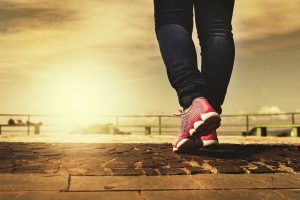
Walking is accessible and one of the most beneficial types of exercise, as it significantly boosts our energy levels. The benefits of simply adding 20 minutes of walking to your daily regimen are astounding. The increased exertion of physical activity is frequently the catalyst our bodies require to kick-start weight loss. For the individual attempting to lose weight, the benefits of walking daily significantly outweigh any inconvenience or reduction in television viewing time. Not only is it beneficial to your body, but it also provides you with something practical to do with your time. Additionally, exercise alleviates hunger sensations, boosts fluid intake, and improves blood circulation.

If walking has any disadvantages, it would be that we place additional pressure on our knees, ankles, and feet. Suppose you already have joint disease, such as arthritis. In that case, you may want to begin cautiously and gradually increase your walking distance as you determine that your body can handle the additional activity you are performing. Perhaps purchasing supportive shoes, orthotics, and, if necessary, leg bracing might help prevent further damage or pain. Consult your physician or podiatrist if you suspect you may have a degenerative disease, and take good care of your body as you exercise.

There are many good periodicals and magazines available online and in print that provide beginning walkers with a wealth of helpful information and recommendations—tips on everything from the proper type of walking shoe to the most incredible walking sticks. There are also options to participate in local, national, and even marathon competitions; some might even support a great cause. From shoes to fashion advice, these magazines can be a terrific source of inspiration. Many true stories relate to your situation that promotes the virtues of walking daily as part of a healthy lifestyle.

The tranquillity that comes from pausing for a few minutes to admire the sunset while on your evening stroll is unmatched. Walking provides time for private reflection that we no longer have due to our packed schedules and busy lives. Ask yourself if you spent your day wisely, if you neglected to do something necessary or if you listened to your spouse when they needed to speak? Make time to take twenty minutes out of your day to walk, contribute to your health, clear your thoughts, and catch a glimpse of the most magnificent sunset!

Is something holding you back?

  • Lack of Motivation
  • Muscle Tightness/Soreness
  • Joint Pain/Stiffness
  • Chronic pain

If so, consider therapeutic and wellness care services aimed at helping to improve your quality of life.

Sharing is caring! ❤️
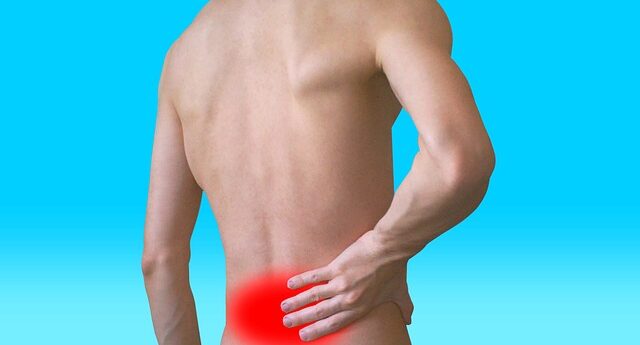
Lower Back Pain

How Manual Therapy Helps Prevent Injuries — Not Just Treat Them

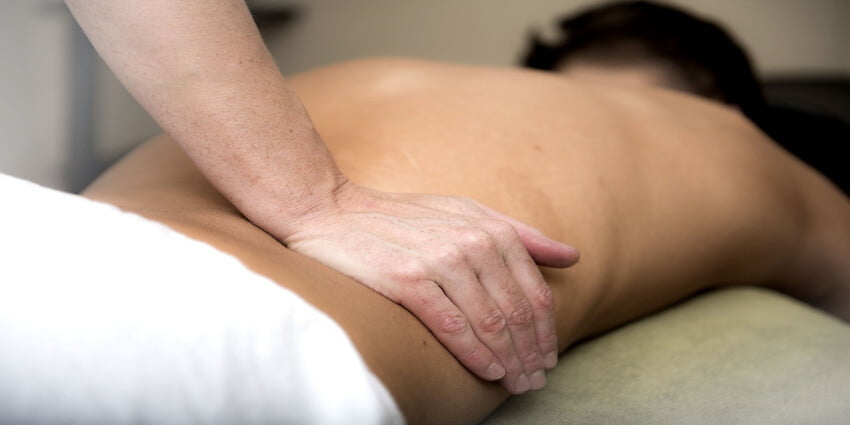
Manual therapists — including osteopathic practitioners — are best known for helping people recover from injuries. Less known is the preventive side: because they are trained in how the human body moves, they can often identify strain patterns and imbalances before those become injuries.

Spotting problems before they become injuries

A movement assessment can reveal imbalances, restrictions, and compensation patterns that predispose someone to injury or limit performance. Addressing these proactively — through hands-on care, targeted strengthening, and movement education — can reduce injury risk and make everyday activity, recreation, and sport feel easier.

Preparing for surgery (“prehab”)

Research on hip and knee replacement patients suggests that structured preparation before surgery — strength, range of motion, flexibility, and balance work — is associated with faster recovery and less need for inpatient rehabilitation afterward. Preparation is also a chance to ask questions and build a plan for the recovery period before you’re in it.

Supporting balance and reducing fall risk

For people who feel unsteady or have a history of falls, targeted balance work and core strengthening can meaningfully reduce fall risk and support independence — one of the highest-value uses of movement-focused care in later life.

Chronic pain education

Good manual therapy for persistent pain includes education: how chronic pain differs from acute pain, why the nervous system’s sensitivity matters, and how graded activity rebuilds capacity. Understanding your own pain is itself a treatment tool, associated with better sleep, mood, and participation in daily life.

Posture and ergonomics in a screen-heavy world

Hours over phones and laptops load the neck and upper back in ways our bodies weren’t designed for — a forward head position can effectively multiply the load on the neck several times over. Assessment can identify what your particular setup and habits are doing to your body, with practical adjustments for desks, devices, and daily mechanics.

The dental-cleaning analogy

Many people see a dentist regularly to prevent problems rather than waiting for a toothache. Movement care can work the same way: periodic assessment keeps small restrictions and imbalances from quietly becoming injuries. If you’re curious what an osteopathic movement assessment involves, our osteopathy page explains the approach.

This article is educational and is not medical advice. For injuries involving severe pain, numbness, weakness, or trauma, seek medical assessment first.

Sharing is caring! ❤️