
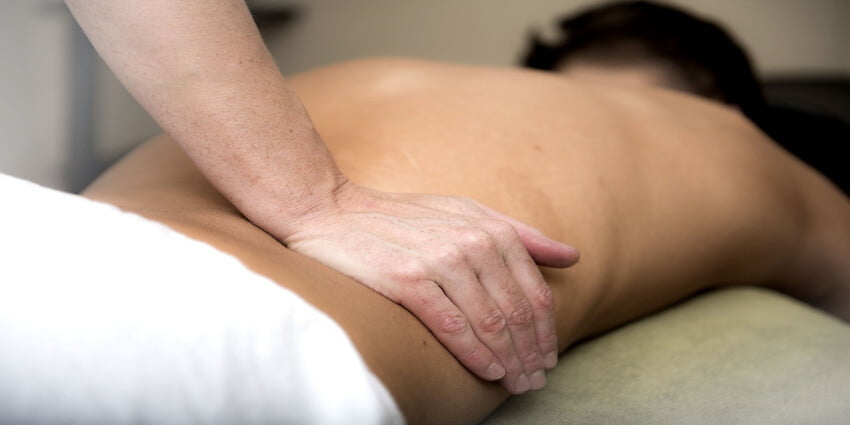
How Manual Therapy Helps Prevent Injuries — Not Just Treat Them
Manual therapists — including osteopathic practitioners — are best known for helping people recover from injuries. Less known is the preventive side: because they are trained in how the human body moves, they can often identify strain patterns and imbalances before those become injuries.
Spotting problems before they become injuries
A movement assessment can reveal imbalances, restrictions, and compensation patterns that predispose someone to injury or limit performance. Addressing these proactively — through hands-on care, targeted strengthening, and movement education — can reduce injury risk and make everyday activity, recreation, and sport feel easier.
Preparing for surgery (“prehab”)
Research on hip and knee replacement patients suggests that structured preparation before surgery — strength, range of motion, flexibility, and balance work — is associated with faster recovery and less need for inpatient rehabilitation afterward. Preparation is also a chance to ask questions and build a plan for the recovery period before you’re in it.
Supporting balance and reducing fall risk
For people who feel unsteady or have a history of falls, targeted balance work and core strengthening can meaningfully reduce fall risk and support independence — one of the highest-value uses of movement-focused care in later life.
Chronic pain education
Good manual therapy for persistent pain includes education: how chronic pain differs from acute pain, why the nervous system’s sensitivity matters, and how graded activity rebuilds capacity. Understanding your own pain is itself a treatment tool, associated with better sleep, mood, and participation in daily life.
Posture and ergonomics in a screen-heavy world
Hours over phones and laptops load the neck and upper back in ways our bodies weren’t designed for — a forward head position can effectively multiply the load on the neck several times over. Assessment can identify what your particular setup and habits are doing to your body, with practical adjustments for desks, devices, and daily mechanics.
The dental-cleaning analogy
Many people see a dentist regularly to prevent problems rather than waiting for a toothache. Movement care can work the same way: periodic assessment keeps small restrictions and imbalances from quietly becoming injuries. If you’re curious what an osteopathic movement assessment involves, our osteopathy page explains the approach.
This article is educational and is not medical advice. For injuries involving severe pain, numbness, weakness, or trauma, seek medical assessment first.