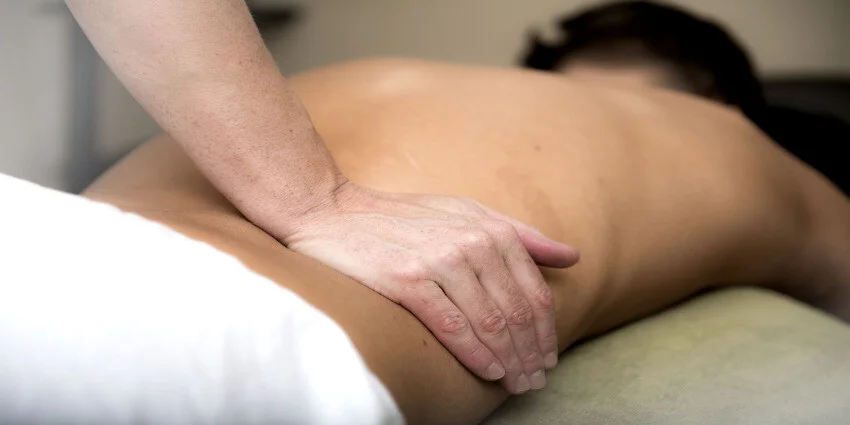
Work Injury Recovery Support in Moncton
What work injury recovery in Moncton usually involves, and where osteopathic TMJ care and hypnotherapy fit — for the clenching, headaches, neck tension, disrupted sleep and stress that often follow an injury.

Archived recovery support articles.
What work injury recovery in Moncton usually involves, and where osteopathic TMJ care and hypnotherapy fit — for the clenching, headaches, neck tension, disrupted sleep and stress that often follow an injury.
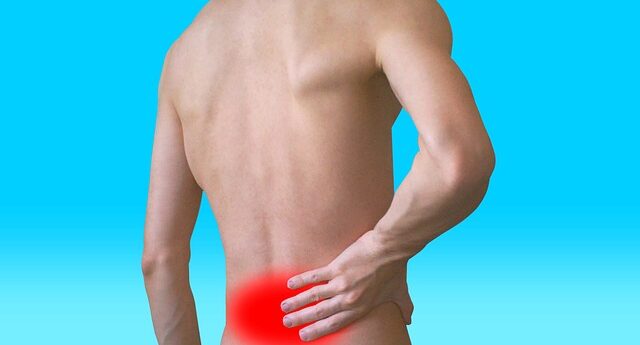
Practical strategies to prevent lower back injuries during a Moncton winter — plus how winter strain tends to surface as jaw clenching, headaches, neck tension and disrupted sleep, which is where Naturology Centre can help.
Persistent back pain is rarely one problem with one fix. An educational look at why back pain lingers and the factors — structural, behavioural, and stress-related — that shape recovery.
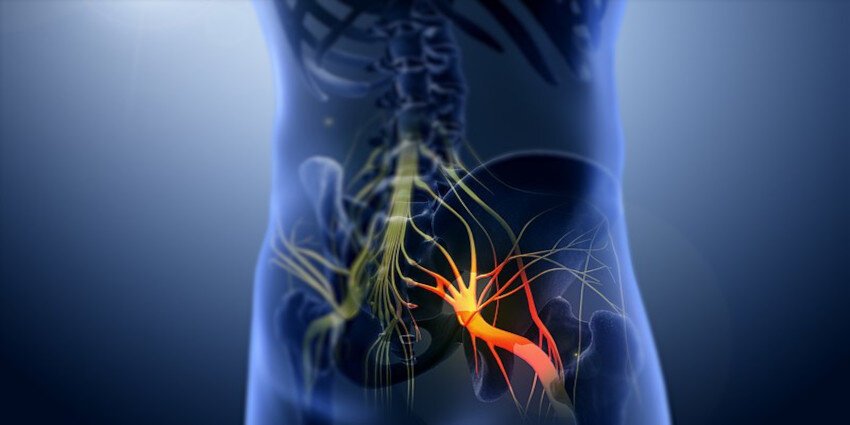
Nerve tension is pain caused by a nerve being compressed or trapped in its surrounding tissue, preventing it from gliding normally along its tract. When a joint stays stationary for an extended time, or tissue around a nerve tightens, the likelihood of a nerve becoming restricted increases.
We all know that joints move and muscles contract and stretch — but nerve tissue also needs to move freely. Nerves glide within their surrounding tissues as you bend, reach, and turn. When that glide is obstructed, pain or restricted nerve mobility is a common result. This is often described as a trapped or pinched nerve, or “adverse neural tension.”
Typical signs include pain that follows a line down a limb, tingling or pins-and-needles, symptoms that change with specific positions (like straightening the leg or reaching overhead), and discomfort that stretching seems to aggravate rather than relieve.
Severe cases — particularly with progressive weakness or numbness — need medical assessment, and a small minority require surgery. In most situations, though, nerve tension responds well to conservative care: manual therapy such as osteopathy to address the tissue restrictions around the nerve, combined with specific “nerve gliding” exercises that restore normal movement gradually. The key is gentle, progressive work — aggressively stretching an irritated nerve tends to flare it.
This article is educational and is not medical advice. Seek prompt medical assessment for progressive weakness, numbness, loss of coordination, or bladder/bowel changes.